

- Accede I
- Regístrate I
- carrito
Mañás poéticas
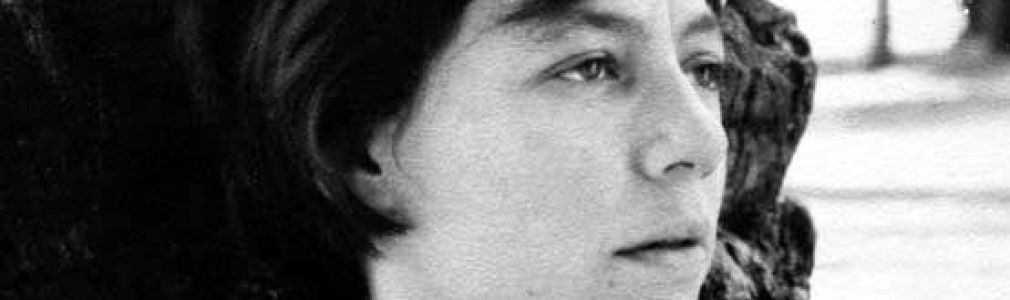
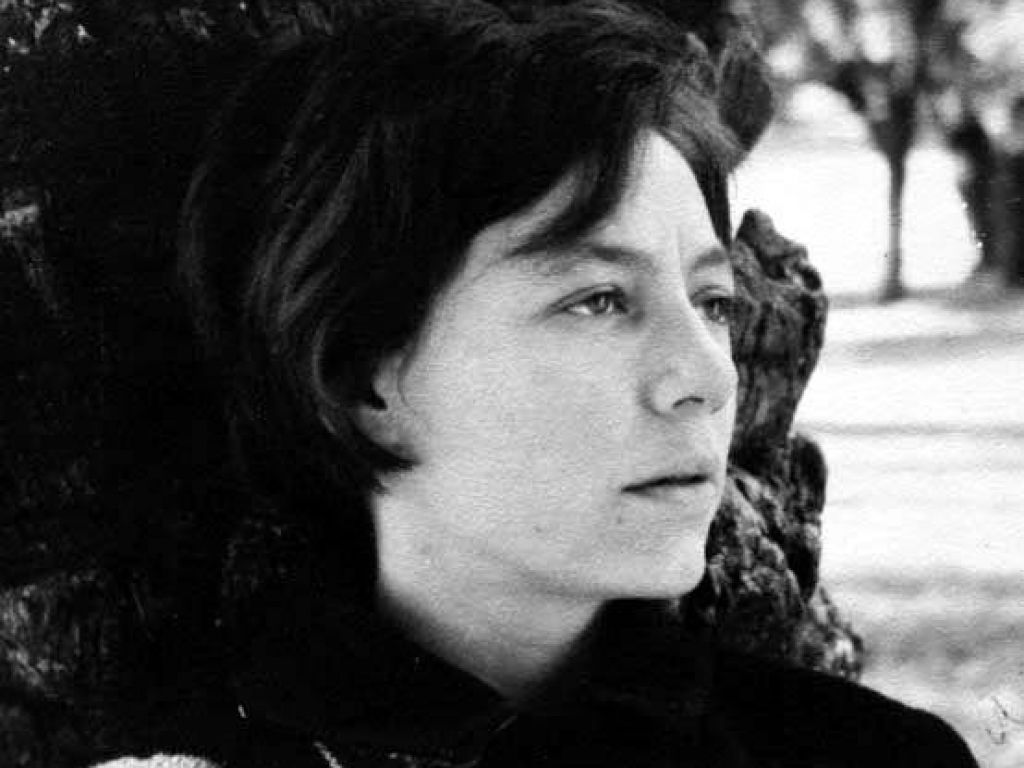
Nueva sesión de Mañás poéticas, una lectura abierta y libre de textos de diferentes autoras y autores, que en el mes de marzo dedicamos a la poeta Alejandra Pizarnik.
Hija de una familia ruso-judía, nació en Buenos Aires el 29 de abril de 1936. Su padre y su madre tenían 27 y 26 años, respectivamente, y habían llegado desde París, después de una temporada con el tío paterno. Con la llegada del nazismo, prácticamente toda la familia desapareció. Solo sobrevivieron el tío con el que habían estado en París y otra tía, hermana de la madre, que también se trasladó a Buenos Aires. Tuvo una infancia liberal, acorde con el ambiente familiar. Pasó por las aulas de Filosofía y de Periodismo, en la capital argentina, donde el catedrático de Literatura Moderna, Juan Jacobo Barjalía, la animó a intentar una carrera literaria. Por esas fechas comenzó a manifestar una especie de fascinación por la muerte, presente en toda su obra, y también entró en contacto con el surrealismo a través del pintor Batlle Planas.
Exploró también el camino del periodismo, con algunos trabajos realizados, pero dejó esa vocación por otros mundos que la atraían más. Con una salud frágil, debido a su asma, su padre le ofreció apoyo. Su negocio de joyería les permitía vivir con holgura y pagó la publicación de su primer libro, La última inocencia (1956), que apareció en Botella al Mar, del gran editor gallego Arturo Cuadrado, en la que también participaba Luís Seoane. También le pagó las consultas psicológicas con las que intentaba poner orden en una mente desbordada.
Intentó un cambio de residencia y se trasladó a París de 1960 a 1964, pero su insatisfacción crónica continuó más allá de cualquier remedio que probase. En 1971 le escribió una carta a su gran amor, Silvina Ocampo —que no respondió—, en la que habla de molestos problemas respiratorios y de una poderosa sensación de cercanía con la muerte, en el plano anímico, literario y quizás también físico. Esa sensación puede resumirse en estos dos fragmentos de la propia carta:
«¿Por qué, Silvina adorada, cualquier mierda respira bien y yo me quedo encerrada y soy Fedra y soy Ana Frank?
Además, la muerte tan cercana a mí (tan lozana!) me oprime. (…) Sylvette, no es un arrebato, es un re-conocimiento infinito de que sos maravillosa, genial y adorable.»
Otra relación importante en su vida fue la que mantuvo con la poeta Olga Orozco, que le dedicó el poema Pavana del hoy para una infanta difunta que amo y lloro.
En la sala de traballo A, en la tercera planta. La entrada es libre hasta un máximo de 15 participantes
Galería de imágenes
Mañás poéticas

de Agenda cultural por RSS
Fiestas

La Festa del Banquete de Conxo contará con el tren turístico, que va a estar a disposición de la ciudadanía y visitantes para traslados gratuitos entre la Alameda, en el centro de la ciudad, y el barrio de Conxo.

NoitiNHas 2026 regresa con su novena edición para llenar las noches compostelanas de música en directo y propuestas gastronómicas. El ciclo, que se celebra en el NH Collection Santiago, combina conciertos al aire libre con sesiones DJ y tapas de restaurantes invitados, creando una experiencia completa en torno a la música y el sabor.