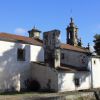
Catedral
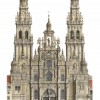
Monasterio e Iglesia de San Martiño Pinario
En la Plaza de la Inmaculada se levanta este monasterio, fundado por un grupo de benedictinos que poco después del descubrimiento de los restos del Apóstol se establecieron en el lugar llamado Pignario, próximo a la capilla de la Corticela (hoy integrada dentro de la Catedral), donde celebraban sus oficios. El mayor desarrollo comienza cuando en 1494 pasa a depender de la congregación benedictina de Valladolid. A partir de aquí alcanzarán la riqueza que les va a permitir sufragar las imponentes obras de la iglesia, que constituye, junto a la Catedral, el más valioso conjunto del barroco gallego.
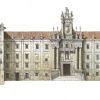
Monasterio e Iglesia de San Paio de Antealtares
Ss. IX-XVIII. Actualmente Barroco. Fue fundado en el siglo IX por Alfonso II con doce monjes benedictinos, para que cuidaran y dieran culto al recientemente aparecido sepulcro del Apóstol Santiago. La actual construcción pertenece casi en su totalidad a los siglos XVII y XVIII, ya que la primitiva fue derrumbada.
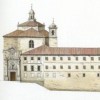
Colegiata Santa María a Real do Sar
S. XII. Románica. Construida en el siglo XII a las orillas del río Sar es, junto con la Catedral, la iglesia que conserva mayor parte de su primitiva fábrica románica.
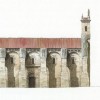
Antiguo Hospital e Iglesia de San Roque
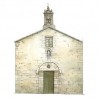
Iglesia y Convento de San Domingos de Bonaval

Convento e Iglesia de Santo Agostiño
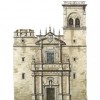
Monasterio e Iglesia de Santa María de Conxo
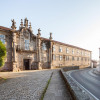
Iglesia de la Tercera Orden
Convento, Iglesia y Colegio de las Huérfanas
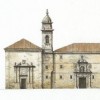
Iglesia de la Compañía o de la Universidad
S. XVII. Barroco. Fue construida por los jesuitas en el siglo XVII. Tiene valiosos retablos barrocos en su interior, entre los que destaca el retablo mayor, de Simón Rodríguez.
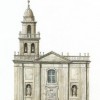
Convento e Iglesia de San Francisco
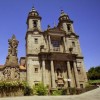
Iglesia del Pilar
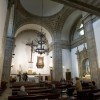
Iglesia de San Miguel dos Agros

Iglesia de San Pedro
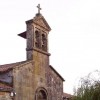
Iglesia de Santa María do Camiño
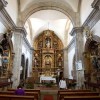
Iglesia de San Fructuoso
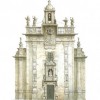
Convento e Iglesia de las Madres Mercedarias
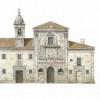
Iglesia de Santa María Salomé
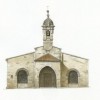
Iglesia de Santa Susana
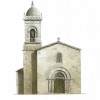
Iglesia da Nosa Señora da Angustia

Iglesia de San Fiz de Solovio
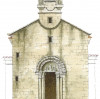
Iglesia de San Bieito do Campo
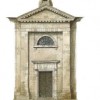
Capela Xeral de Ánimas
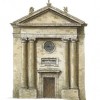
Iglesia del Carmen de Abajo